 English
When planning an event, the visual impact of your stage can make or break the audience experience. Finding the right stage rental LED screen involves more than just comparing prices—it requires understanding technical specifications, logistical considerations, and creative possibilities. This comprehensive guide cuts through the confusion to help event professionals make informed decisions that elevate their productions while staying within budget.
What exactly makes these displays so effective for live events? Modern rental LED screens are engineered with high-quality SMD 3-in-1 LED technology that delivers exceptional brightness and color accuracy. Unlike traditional projection systems, these displays maintain image clarity even in brightly lit environments, with brightness levels reaching ≥5500 cd/square meter to combat direct sunlight in outdoor settings.
The pixel pitch (the distance between individual LEDs measured in millimeters) determines image sharpness. For stage applications, common pixel pitches range from P2.5 to P10, with smaller numbers providing higher resolution. The choice depends on viewing distance—a P4.81 model works well for larger audiences where viewers are further from the screen, while smaller venues might benefit from P3.91 or lower for crisper imagery up close.
These systems boast impressive refresh rates up to 3840Hz, eliminating motion blur during fast-paced video content and live camera feeds. This technical feature is crucial for professional broadcasts where smooth motion reproduction matters. Additionally, with wide 160-degree viewing angles horizontally and vertically, audiences seated at extreme angles still enjoy perfect visibility.
Selecting the right LED screen begins with a clear assessment of your specific needs. Ask yourself: What is the primary purpose of the display? Will it serve as a stage backdrop showing pre-produced content, or does it need to handle live camera feeds for audience close-ups? The answers determine both technical specifications and budget considerations.
Venue size and audience layout significantly impact your choice. For larger spaces, you might need multiple mobile LED screens positioned strategically throughout the area. The screen size should be proportional to the stage and venue—a good rule of thumb suggests that for areas under 10m², consider P2.5-P3.91 models, while larger installations over 60m² can effectively utilize P4.81 to P10 screens.
Don't overlook practical considerations like power requirements (typically 100-1200W/square meter), installation time, and technical support. Rental companies that provide professional installation crews can significantly reduce setup time through quick-assemble cabinet systems that snap together in minutes, some offering front and rear maintenance access for easier troubleshooting during events.
Beyond traditional background visuals, modern LED technology unlocks creative possibilities that transform audience experiences. Immersive environments can be created by wrapping screens around the stage or using angled configurations that envelop performers in dynamic digital landscapes. This approach works particularly well for music concerts where visual rhythm matching the performance enhances emotional impact.
Interactive elements represent another innovative application. By incorporating real-time social media feeds or audience polling results directly onto the screen, you create engaging experiences that make attendees feel part of the show. Some productions even experiment with augmented reality elements where performers appear to interact with digital objects superimposed on the LED display.
For multi-act events, LED screens enable quick scene changes through content rather than physical set pieces. This flexibility allows seamless transitions between performances while maintaining visual continuity. The most successful implementations often layer synchronized lighting effects with screen content, creating cohesive visual storytelling that complements rather than competes with the live performance.
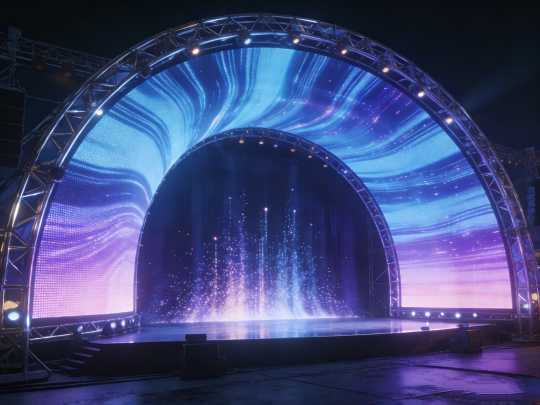
The decision between renting and purchasing LED screens hinges on several factors. Rental solutions offer greater flexibility and lower upfront costs, making them ideal for one-time events, tours, or occasions requiring specific technical specifications not needed regularly. Rental companies typically handle maintenance, transportation, and technical support, reducing the operational burden on event organizers.
Fixed installations make financial sense for venues hosting frequent events. While the initial investment is higher, the long-term cost savings can be substantial for spaces that utilize the technology weekly or daily. Permanent installations also allow for custom integration with existing venue systems, including audio, lighting, and control interfaces.
Consider this comparison:
For many organizations, a hybrid approach works best: owning a base system for regular use while renting additional panels or specialized technology for larger events. This strategy provides both consistency and scalability without exceeding budget constraints.
Understanding the cost structure of LED screen rentals helps in planning realistic event budgets. Pricing typically depends on several key factors: pixel pitch (higher resolution screens cost more), total square footage, rental duration, and additional services like installation, content management, and technical support. On average, expect to invest more for smaller pixel pitches—P3.91 generally costs more than P4.81 due to higher pixel density.
The complete package price should include more than just the physical panels. Professional suppliers like RoleHeller include essential components such as video processors, control systems, cabling, and technical support in their quotes. Beware of seemingly low prices that exclude these crucial elements, as they often result in hidden costs and technical challenges during installation.
For budget-conscious events, consider strategic compromises that reduce costs without significantly impacting quality. Scheduling events during off-peak seasons can sometimes yield better rates, as can opting for slightly larger pixel pitches when viewing distances allow. Some companies offer package deals that include content creation services, which might be more cost-effective than sourcing these services separately.
Identifying reliable stage rental LED screen providers requires careful research. Look for companies with proven experience in your specific type of event—a supplier specializing in corporate presentations might not have the right equipment or expertise for a high-energy concert. Review their equipment inventory to ensure it's modern and well-maintained, as outdated technology may lack reliability and image quality.
Technical support separates exceptional suppliers from mediocre ones. The best providers assign dedicated technicians who understand both the technology and the demands of live events. These experts can troubleshoot issues quickly and often anticipate potential challenges before they become problems. Ask potential suppliers about their average response time and on-site support protocols.
When evaluating suppliers, consider:
Equipment quality: Well-maintained, modern LED panels with consistent performance
Technical expertise: Knowledgeable staff who understand event production timelines
Flexibility: Willingness to customize solutions for your specific needs
References: Positive feedback from previous clients with similar events
RoleHeller has built its reputation on providing end-to-end solutions that include pre-event consultation, professional installation, and dedicated technical support throughout the rental period. This comprehensive approach ensures that technical aspects run smoothly, allowing event organizers to focus on creative and logistical priorities.
What's the ideal pixel pitch for a concert with 1,000 attendees?
For most concert settings with mixed viewing distances, P3.91 to P4.81 models strike the right balance between image quality and cost-effectiveness. The specific choice depends on whether attendees will be primarily close to the stage or further back.
How far in advance should I book stage rental LED screens?
Popular dates and high-demand periods may require booking 2-3 months in advance. For complex installations or large events, even more lead time ensures availability of appropriate equipment and technical staff.
What's the typical setup time for a stage LED screen?
Professional crews can install most medium-sized LED screens (40-60m²) in 4-6 hours. Factors affecting installation time include screen size, accessibility of the venue, and whether the configuration involves unusual shapes or angles.
Can LED screens be used outdoors during light rain?
Most professional rental LED screens carry an IP65 rating, making them dust-tight and protected against water jets. However, prolonged exposure to heavy rain should be avoided, and all electronic equipment should be powered down during precipitation.
What content formats do rental LED screens support?
Modern systems accept various input signals including HDMI, DVI, SDI, VGA, and composite video. They typically support common video file formats and resolutions up to 4K, though specific capabilities vary by system sophistication.
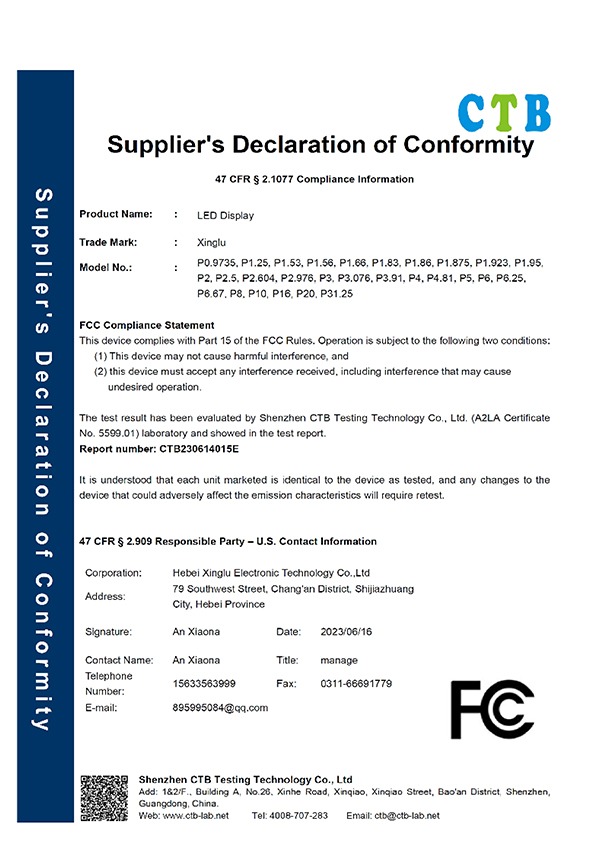
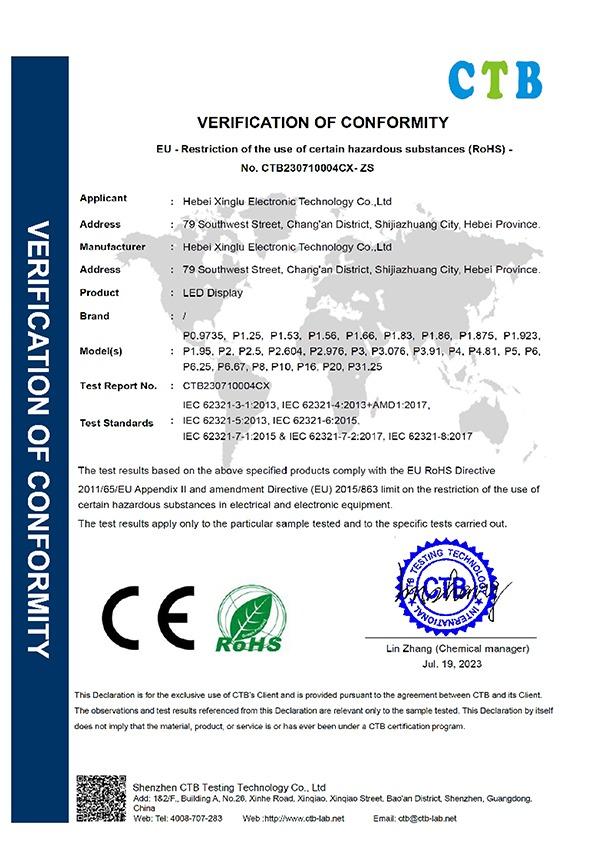
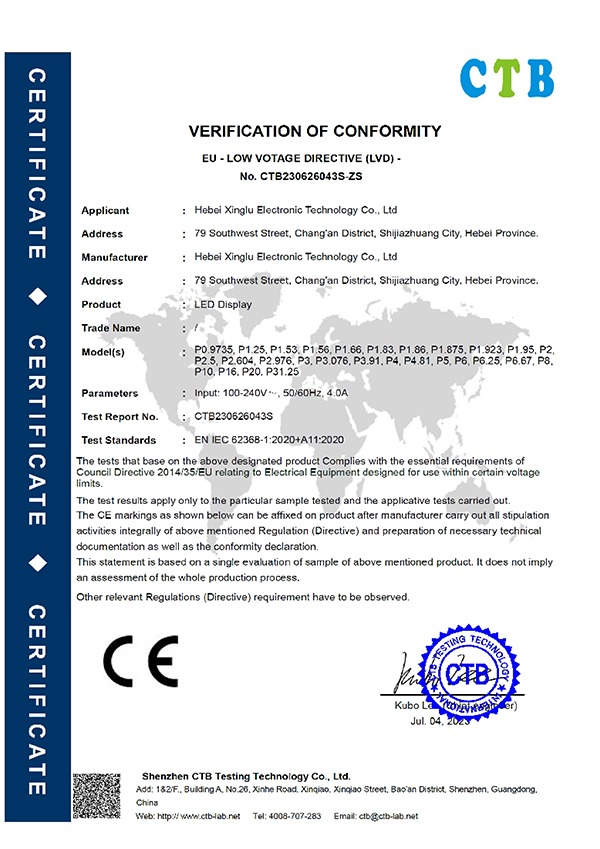
.jpg "Which Direct View LED Video Wall Manufacturers Offer the Best Quality and Value?")
.jpg "Which China Indoor Outdoor LED Video Wall Manufacturers Can You Actually Trust for Quality and Delivery?")
.jpg "Which China LED Video Wall Rental Display Manufacturers Actually Deliver Quality and Speed?")